
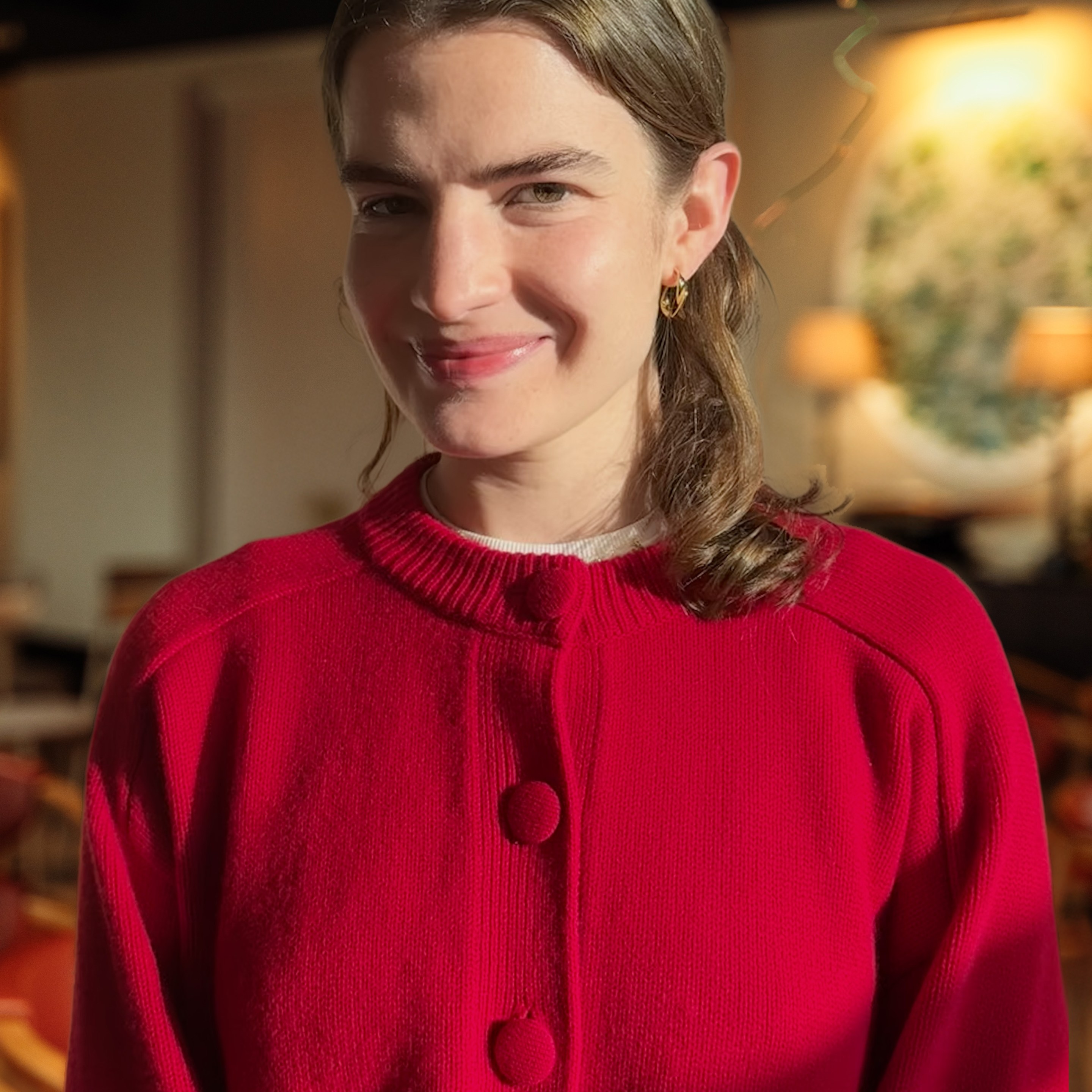
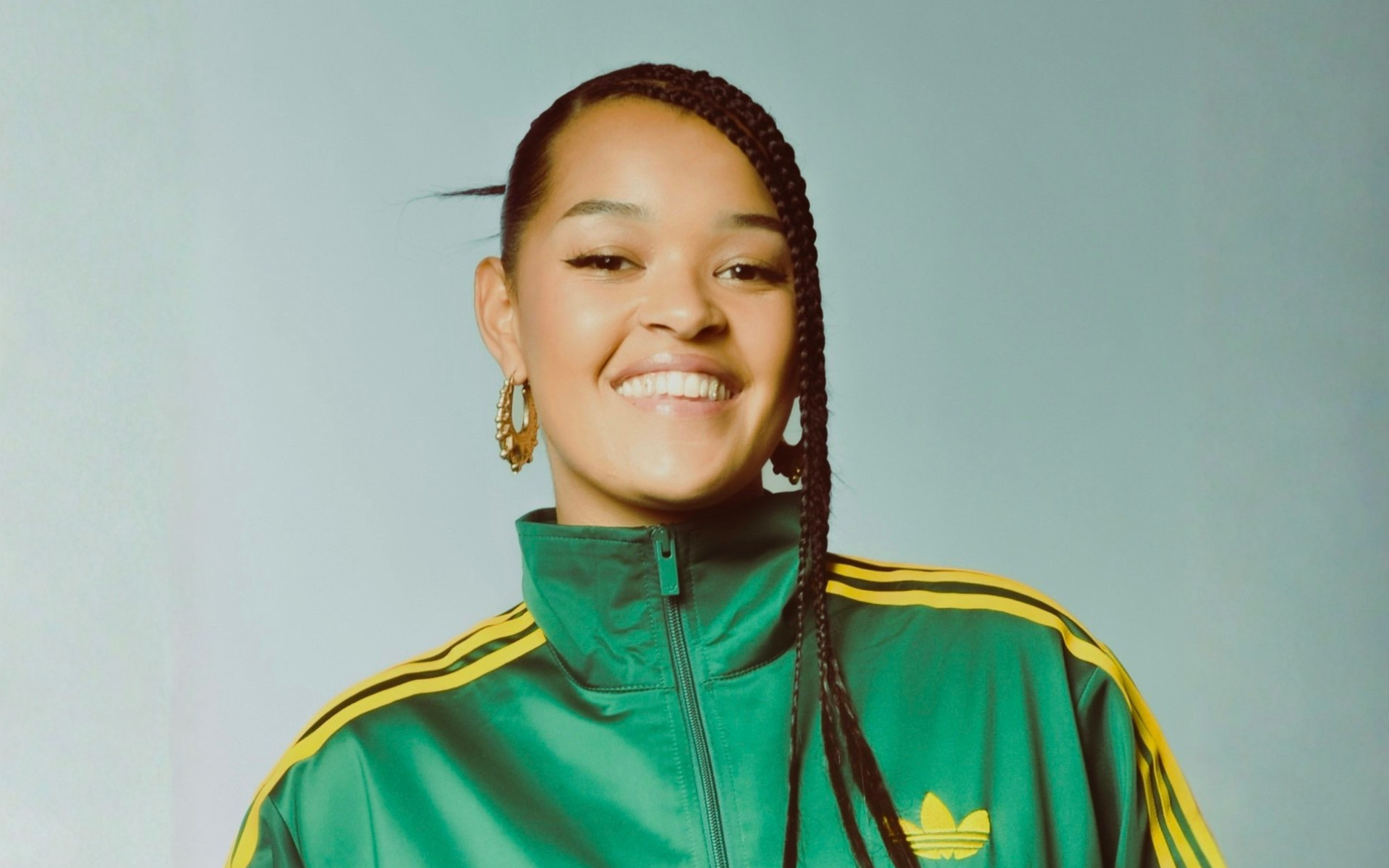
Producer Mia Thornton has quickly become one of the most exciting voices on the UK audio scene. After winning the Rising Star Award at the British Podcast Awards last year, she has now joined the first-ever cohort of BPA ambassadors, helping spotlight emerging talent across the industry.
From starting a university podcast with a friend to producing the acclaimed audio documentary series Instrumental: Black British Trailblazers through the BBC Sounds Audio Lab programme, Mia has also collaborated with organisations from grassroots collectives to global brands, including the BBC, New Balance, Black Ballad and the NHS, producing campaigns and content that resonates with diverse audiences.
We caught up with Mia to talk about her new title, her journey into the industry, the making of Instrumental and her top tips for new creators.
Becoming a BPA ambassador has been both “affirming and validating” for Liverpool-based Thornton. The new title is “Really cool,” she says. “Because of my creative background, and also regionally not being in London, I always feel like I sit on the edge of a lot of things.” “It felt really nice to feel part of something and feel recognised,” she says. “Especially to be part of the first cohort of ambassadors. I was a bit like, ‘Oh… me?’”
Having won the Rising Star Award in 2025, she explains how it forced her to confront her own imposter syndrome, saying she saw the nominees and genuinely thought there was no way she was winning with so many “incredibly talented women in that category.” “It forced me to give myself an overdue pat on the back”.
For somebody working outside the traditional London media bubble, that recognition mattered. She says that the award “put my name in rooms where maybe I couldn't physically be there” but it meant she “could still be championed”.
Whilst recognising that the realities of the audio industry are still “a bit dire” right now, she says the award gave her a new sense of visibility. “It feels like having a blue tick on Instagram,” she says. “You feel recognised by the industry.”
Returning as an ambassador this year, she will shine a light on other podcasters. “I’m a big champion of anybody who fits outside of the norm,” Mia says. That includes creators from underrepresented backgrounds, regional communities and people thinking outside the box. “Anybody who is taking things into their own hands, doing things a little bit differently, challenging the norms and making something incredible from doing that.”
“You can have a winning formula and you can have things that work and are successful, but sometimes it's just even more exciting and challenging and creative to do something different and to push back against what is expected of you and what is expected of podcasting and audio.”
Going back to the beginning, Mia’s introduction to podcasting came in her final year studying, where she used the Liverpool Hope university radio station, THIS Radio to launch a podcast called Go Off Sis. She says “It wasn't anything award-winning, but it was fun and it was authentic and it was real and it was just two friends chatting really.”
She explains that from there, she had to teach herself everything from set-up to editing, to marketing to social media. She gained a place on the BBC Sounds Audio Lab programme, sharing that “It was definitely one of the hardest things I’ve ever done,” whilst also describing the opportunity as transformative, saying “I'm so grateful for what I learned.”
The programme’s compressed production schedule meant “you’re doing multiple job roles that would usually have different people sitting in them. So it's a lot. It wasn't easy, but it was really rewarding.”
Mia shares how important these schemes are for upcoming creators. It’s with thanks to Audio Lab that her series Instrumental happened, she says, acknowledging that it might have otherwise not been picked up by a commissioner.
Instrumental is a powerful series exploring Black British musical artists across alternative genres. Developed in Audio Lab, Mia says the idea for the series “was born from half personal experience, half perceived experience of people around me”
Thornton talks about her aim to “get rid of those reductionistic ideas and viewpoints and perspective of music… You can't have a black guy making punk, you can't have a black woman making folk music. That's okay. It doesn't change the genre, it doesn't do anything, the music is the music.”
She wanted to “approach black British music from a bit of a refreshing perspective. You know, I think grime and garage and lovers rock. I think they're amazing. I think they're incredible. But I want to hear about the black guy doing classical or the black woman making folk and that just didn't seem to be there.”
She speaks about being proud of the finished product. “It will always be my baby,” but also shares “I learned that I would never be 100% happy with it. Perfection doesn't really exist.” A year on from the project, she reflects “there's a lot of things I would do differently, but I think that's just the beauty of creating and being a creative. And that's the point, right? That you've learned and you've grown and you've improved in some kind of way.”
"Perfection doesn't really exist"
Her work centres around underrepresented voices. Drawing from her “experience as a black mixed race woman from the north of England”, Mia talks about wanting “to hear the things that you're not going to hear, see the things that you're not going to see” in the mainstream media. “The core thing for me is telling stories that don’t get told”.
She thinks about where this drive comes from, “Probably frustration,” Mia says honestly, which turned into motivation. Growing up in the north and never quite feeling like she fit neatly into one creative lane gave her a sense of needing to create opportunities herself. “There’s not as much funding and not as much infrastructure, so you just have this we’ll make it work kind of attitude.”
She now works on the BBC Sounds acquisitions team helping bring external podcasts onto the platform, but her work also spans visual and multi-platform media. “I don't necessarily consider myself solely a podcaster… But I love it and I appreciate it. I appreciate it as the art form that it is. Whenever I find a story that feels right to tell with audio, then that's when I go back into audio.”
For anyone looking to get into podcasting or audio production, Mia advises “Don’t be afraid to ask for help”. “People like to help”. “The worst they could do is say no, and then you move on, you ask somebody else.”
She also says “Don't be afraid to try, don't be afraid to get it wrong… It might not be perfect, it might not be what you want it to be, but it's going to be something and you're going to be a little bit further ahead than you were when you weren't doing anything.”
“And lastly as well, never underestimate the power of YouTube and Reddit. I feel like you can literally learn anything from there. I'm like 99% certain of that.”
For anyone applying to British Podcast Awards this year, Mia’s biggest piece of advice is simple: remember there are real people reading your application. She warns that creators can sometimes “knock the life out of” projects by over-filtering themselves during applications. “It doesn’t need to feel robotic," she says, “Present in a way which you would if you were just speaking to somebody.”
Final entries to the British Podcast Awards are Thursday 21st May.