
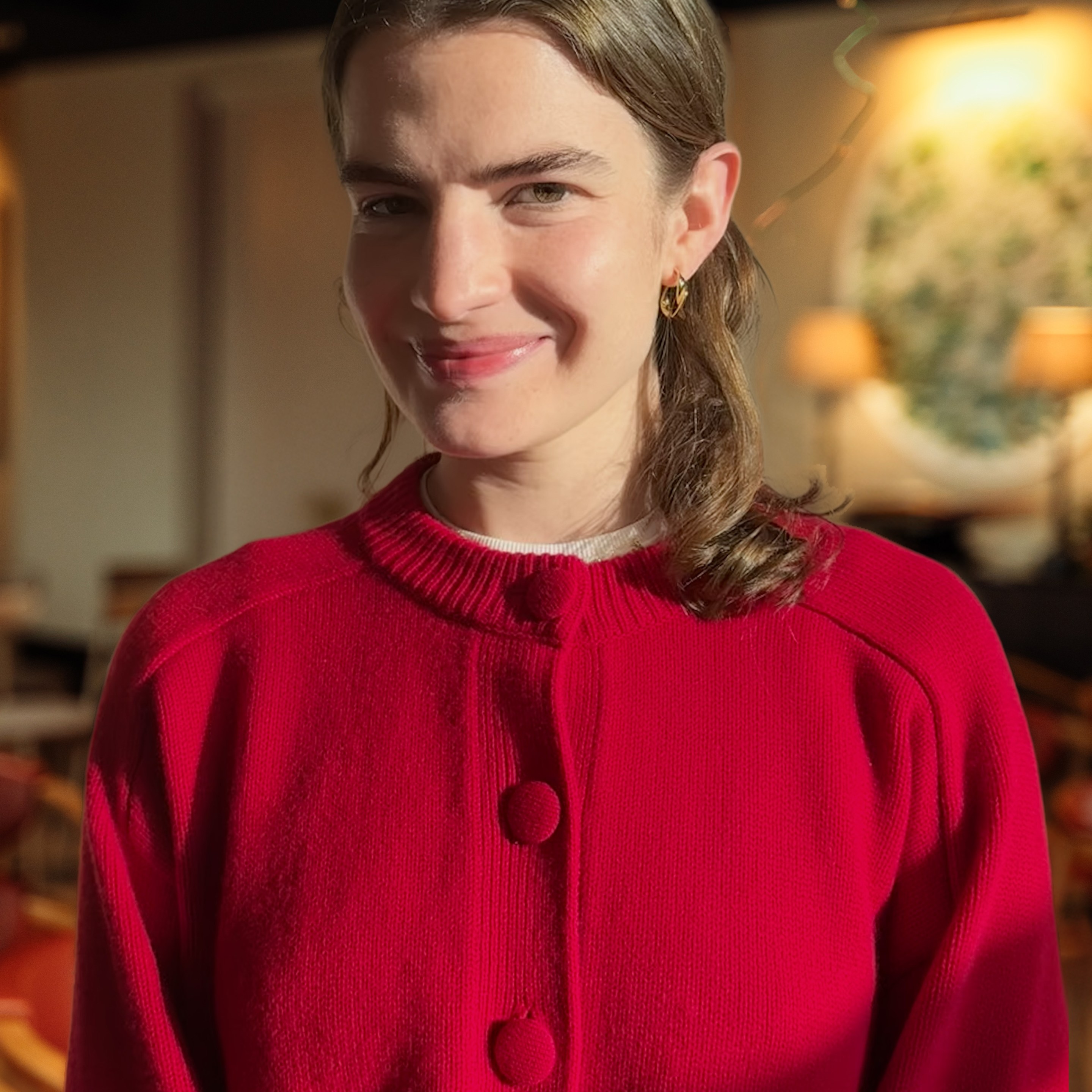

Known for hosting the eye-opening Life After Prison podcast, Zak Addae-Kodua and Jules Rowan are one of the British Podcast Awards’ great success stories. The pair have now joined the first-ever cohort of BPA ambassadors, marking another milestone in a journey neither could have imagined a decade ago. Drawing on their own lived experience of prison and rehabilitation, they have spent the last four years using podcasting to challenge perceptions and support people navigating life after release. We sat down with Zak and Jules to discuss their journey into podcasting, overcoming stigma, why authenticity remains at the heart of everything they do and what they hope to achieve in their new ambassador roles.
Starting at the beginning, Zak introduces us to National Prison Radio. He describes it as “an essential part of prison life” for people serving time across England and Wales, “It's a continued tailored service for people inside, made by people inside, for exclusively people inside.” It offers the “consistency and “guidance” that people need. Jules shares that hearing the NPR was the “first glimmer of hope and excitement” she had about her future.
After being released, however, the pair felt lost without the radio. Jules explains, "It feels like you've been dropped in the jungle”, “You lose your support system. You lose the people inside that you relate to” and “you don’t have the radio station anymore.” So when they discovered that the Prison Radio Association, the charity behind the NPR, were holding an open call for presenters, they both applied. The Life After Prison podcast was born out of this desire to continue supporting people after release.
“Dropped in the jungle”
With neither having any previous presenting experience, they spent around six months developing their skills alongside producers. The process involved “rigorous exercises, loads of research, training and development”, while also giving the pair an opportunity to learn more about each other and how they wanted the show to sound. Whilst describing their chemistry as “instant”, Zak also believes it’s important to recognise how much preparation goes into creating a successful show. “Sometimes people think you can just rock up and sit down and start talking on the podcast,” he says. “90% of the time it doesn't work like that.” However, their confidence has grown over the years, and one principle has remained unchanged since day one. “The best thing is just staying our authentic selves,” Zak says. “And I think that's what's kept us going.” More than four years later, that partnership remains at the heart of the show's success. “We've never looked back,” Zak says. “We've just gone from strength to strength.”
The Podcast's Message
At its core, Life After Prison is about rehabilitation and challenging assumptions around what that process looks like. For Zak, the starting point is recognising that “If you want change, change is possible.” “If you really want to see or make something different within your own lives or within your community, it's definitely possible. But it starts with you. It starts within yourself,” he says. He points to both his and Jules’ journeys as evidence, explaining that “the reason why myself and Jules are in the position we are and the place we are in life is because we were determined to make a change and put in the work to do so.” That process, however, is rarely straightforward. “You have to rebuild your own self first and then how you interact with the world, then your circle, family life and all of that,” he says. For those supporting people after prison, his advice is simple: “Allow the kindness and space for someone who's been through something that's maybe outside of the norm” and “give them that kind of space to develop and grow and showcase who they really are.”
“If you want change, change is possible.”
The podcast features a range of guests connected to the criminal justice system. Jules highlights a conversation with Mia Wheeler, governor of HMP Brixton, which she believes helped “bridge the gap” between prison staff and those in custody. “There is such a divide between governors, prison officers, people in prison,” she says. “They've got keys and we don't.” Giving Wheeler a platform to answer questions directly felt “really special and really important.” One conversation that stuck with Zak was with mentor and coach Donell and his formerly incarcerated client Jeffrey, discussing coaching in prison. What resonated most was hearing Donell talk “about having someone believe in him when he didn't believe in himself”. “You see that support and how it works is so pivotal and crucial to someone actually changing their life,” he says. Ultimately, the pair recognise the impact the podcast can have in “allowing people inside to hear those kinds of stories gives people hope, real hope.” Zak agrees: “I think that the most important thing about this podcast is it's really helping people turn their lives around.”
Overcoming Barriers to Entry
Despite building one of the UK's most respected podcasts, both presenters acknowledge that entering the industry could have felt daunting given their backgrounds. Zak credits some of the welcome they received to the Prison Radio Association's reputation, explaining that “people within the industry already know who the PRA is”. However, he believes podcasting and radio are also more accepting spaces than many might expect. “With the audio industry, radio and podcasting, there's less stigma in the room,” he says, adding that one of the biggest challenges remains reaching audiences beyond those already connected to the criminal justice system. Jules acknowledges that “When we come out of that bubble, there is still a stigma,” but remains focused on improving this with the message of the show.
The Awards
Zak and Jules have picked up multiple industry accolades, including a High Commendation in the Specialist category at the 2023 British Podcast Awards. While both value the recognition, Jules is quick to point out that winning awards is not a shortcut to success. “Winning awards doesn't automatically mean you're going to get the dream job,” she says, or that “you're set for life.” Instead, she believes the value lies elsewhere. “It builds a reputation, it builds a community,” she says. “You're being recognised in front of people that you look up to” Recognition helps strengthen “a brand and a profile that you're trying to build and a message that you're trying to deliver”. Zak agrees, adding that “It also gives people who have had that chequered past the hope that they can go on to achieve great things,” he says. “If it doesn't come with the glitz and the glam, it comes with something more substantial in terms of impact.”

Now, returning as ambassadors, Zak believes this is proof that “the industry accepts people with lived experience” and shows that “there's an alternative route into the industry as well.” In this role, Zak and Jules will help champion the next generation of podcasters, and both are hoping to discover creators who bring something distinctive to the medium. For Jules, “what's beautiful about podcasting is not just presenters being good at presenting and interviewing and being funny and being easy to listen to... it's, they're relatable.” “People listen to things that they can either relate to or maybe potentially relate to,” she says. Zak agrees, although he frames it slightly differently. “There's a lot of noise going on right now in the current climate of society,” he says. “I'm looking for something that cuts through that and really resonates with the people.”
To end with some advice, both presenters return to the same theme that has underpinned their own success: authenticity. “You can't beat authenticity,” Zak says, encouraging creators not to become discouraged if recognition does not come immediately. Drawing on his own experience, he points out that Life After Prison was not an overnight awards success. “The first time we entered the BPAs, we didn't win,” he says. “It was maybe the second or third time.” His advice is simple: “Just continue to be your authentic self and never give up on that hope.” Jules agrees, encouraging creators to stay focused on the purpose behind their work rather than comparing themselves to others. “You don't need to change things too much to try and compete with other people. Just remember why you're doing it and what you're doing it for and who you're speaking to.”