
Thanks to support from The Calm in The Complicated
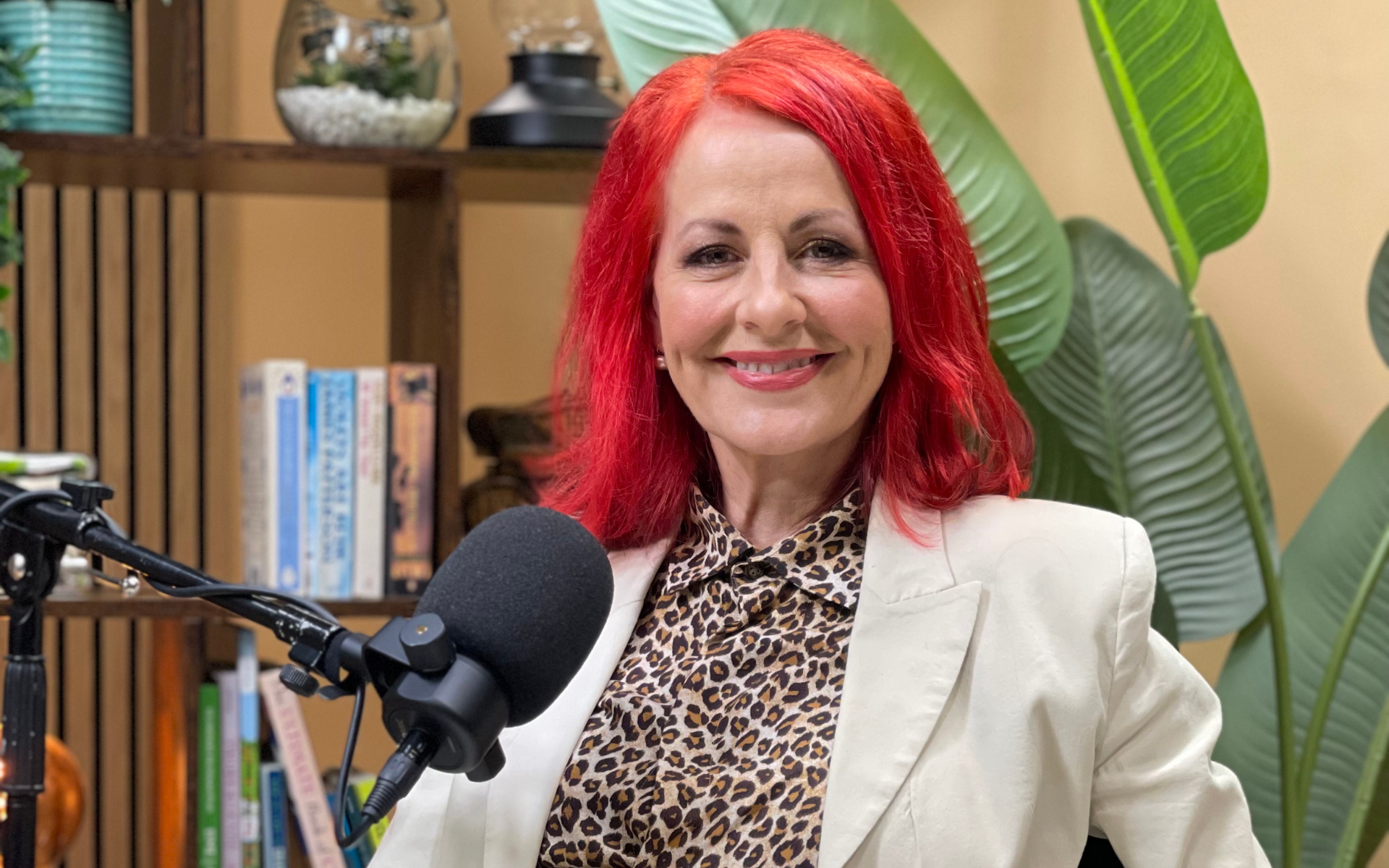
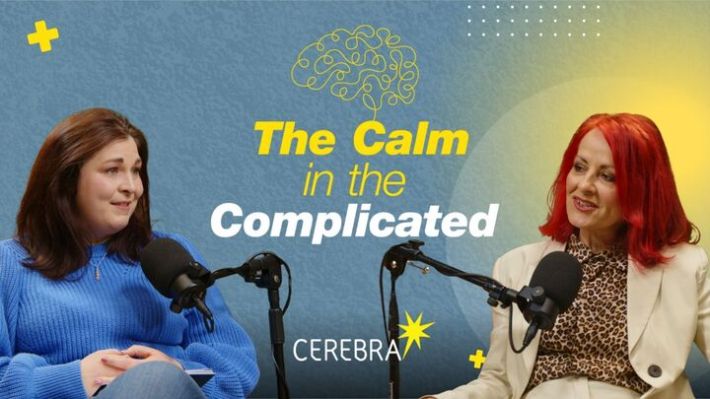
Meet Dr Carrie Grant, neurodiversity advocate and host of a powerful new podcast supporting families navigating childhood brain conditions. In this six-part series, produced in partnership with UK charity Cerebra, Carrie speaks with parent carers and healthcare professionals to share real-life experiences and practical advice for families facing complex challenges. The podcast aims to create a supportive community for anyone impacted by a brain condition.
We spoke to Carrie about her personal experience with neurodiversity, having to be a "super-parent", her ambitions for the podcast, and what she hopes listeners will take away from the series.
What first inspired you to host The Calm in the Complicated podcast?
I love the idea of creating a community and this podcast has the parent voices and the professional voices in together. I believe this “working together” is the only way change will happen. For the past 15 years I have run a parent support group for over 300 families and I think this is where the magic happens.
Did you feel there was something missing from the wider conversation around childhood brain conditions and family support?
There is so much to discuss around this subject, so much ignorance, misunderstanding and misinformation about our children. The biggest issue when you boil it down is the commitment we have as a society to the ideology of “normal” - for me this is what needs to be broken down and challenged. Once we value every neurotype equally and begin to understand the incredible diversity held in human brain types then we can get round to celebrating the strengths that people bring.
Can you tell us a little bit about Cerebra and why it felt important to collaborate with them?
I love what they do! The areas they cover. We recently had some of their staff come and speak to our parents about sleep issues (we run an autism support group) and you could palpably feel the difference they made in the room. That kind of commitment to meeting parents where they are at show real serving and that’s another thing I love.
This is a topic close to your heart. How did receiving your autism diagnosis later in life change your understanding of yourself?
It was life-changing in all the best ways. The most profound statement on why I may not appear to be autistic, the psychologist said, “You have created the environment in which you most flourish.” That really resonated. It also tells me this is what we have to try to do for all autistic people and all those with brain injury or difference, create environments in which they can flourish.
You’ve spoken openly about raising four children with brain conditions. How has that experience shaped your understanding of parenting and family life?
I am nothing like the parent I set out to be. I have had to shapeshift into “super-parent” mode. With children out of school, at times I have had to become a therapist, a teacher and my child’s entire social circle. I have had to sit alongside hospital beds wondering if my child would live, and learned how to negotiate with violence. I have also learned the minutiae of the joy of the different, the small wins, a new worldview - all of this has been transformative and full of hope.
What do you think people who haven’t lived through these experiences often misunderstand about raising a child with a brain condition?
I often think you have to have lived it to truly understand it. Having said this I sometimes meet those magical people who “get it” and these are the people I treasure.
The podcast is shaped around the experiences of parent carers. Why was it important that families’ voices sat at the centre of the series from the very beginning?
In my experience parents and carers are the most gaslit people and simultaneously, the greatest asset for change. Often the greatest challenge a parent/carer has is NOT to learn how to work with their child but how to navigate impossible systems, enduring terrible stress.
Are there any themes or topics that keep coming up across your conversations?
Listening to parents matters. Quite often they have no voice, their voices are shut down by the system.
The power dynamics within the family and the adjustments necessary to get through.
How people tell us to make sure we do self care and what that might look like for our community. None of us has time for a massage or a spa day!
How do you approach sensitive or emotional topics with guests?
Weirdly, I think we all just jump in the deep end because we know we are amongst people who get it. There isn’t the need to give an entire backstory because we already know the backstory. I found all the guests to be incredibly open and they wanted to talk at a deep level. It was probably also quite a neuro-divergent way of communicating, some of us just dive straight in with no filter!
Have there been any moments during recording that particularly stayed with you afterwards?
I think learning about parents of children who have profound physical disability, as well as learning differences, it takes them down a different path to my own experience and I really valued hearing from them. I found myself inwardly “wowing” a lot.
How important was it to create something that feels supportive rather than purely informational?
I think parents already have a lot of information and whilst this is always helpful, more than anything we need to be heard, to experience empathy and understanding. This is the fuel that helps us to keep going. Information from those with lived experience of real expertise is always valued. Patronising information is the stuff we hate!
Have any of the conversations changed your own perspective on parenting, brain conditions, or support systems?
I think the unity between all of those with brain conditions and not just autism is important for me and all of us. There is more overlap than we realise and to move away from the hierarchy of need, which leaves parents having to compete for space to be heard.
What do you want listeners to take away from each episode?
That we see you, we hear you, we get it….and here are some top tips!
Looking ahead… are there any topics or types of guests you’re particularly keen to explore in future episodes?
As I have an adopted child I would love to cover this subject, including trauma and also personality disorders - why can these only first be discussed at 18yrs old - that’s a really ridiculous situation to be in. Parents and carers need to know what they can do NOW!
And finally, if a parent or carer listening to the podcast is currently feeling overwhelmed or isolated, what would you most want them to hear?
Please join our little village, we get it and we are here to share. Get in touch with us at calm@cerebra.org.uk